
In the rapidly evolving landscape of industrial energy, the convergence of physical infrastructure and digital intelligence is no longer a luxury — it is a baseline requirement for survival. As we move deeper into the decade, TAQQAT is observing a profound shift in how power solutions and industrial security are managed across the GCC.
The Decentralization of Power Intelligence
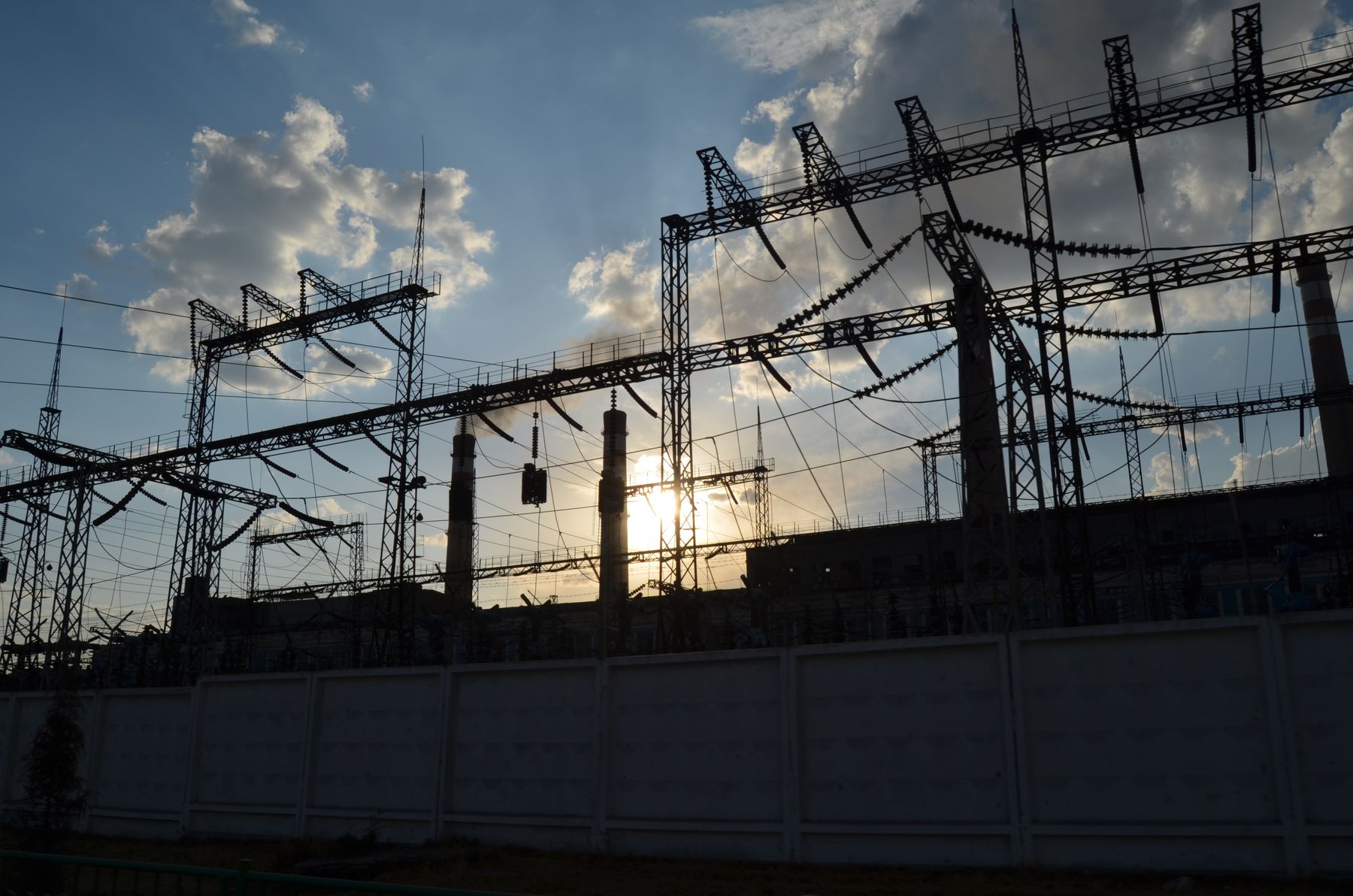
Traditional power distribution models relied on centralized command and control. However, the modern industrial park requires an edge-computing approach. By deploying sensors at the transformer level, operators can now predict failures before they manifest as costly downtime. This "predictive-first" mindset reduces maintenance overhead by up to 30% while extending equipment lifecycle significantly.
"Digital transformation in the industrial sector isn't about replacing hardware — it's about making the hardware talk back to us in a language we can act upon."Strategic Vision 2030 Report
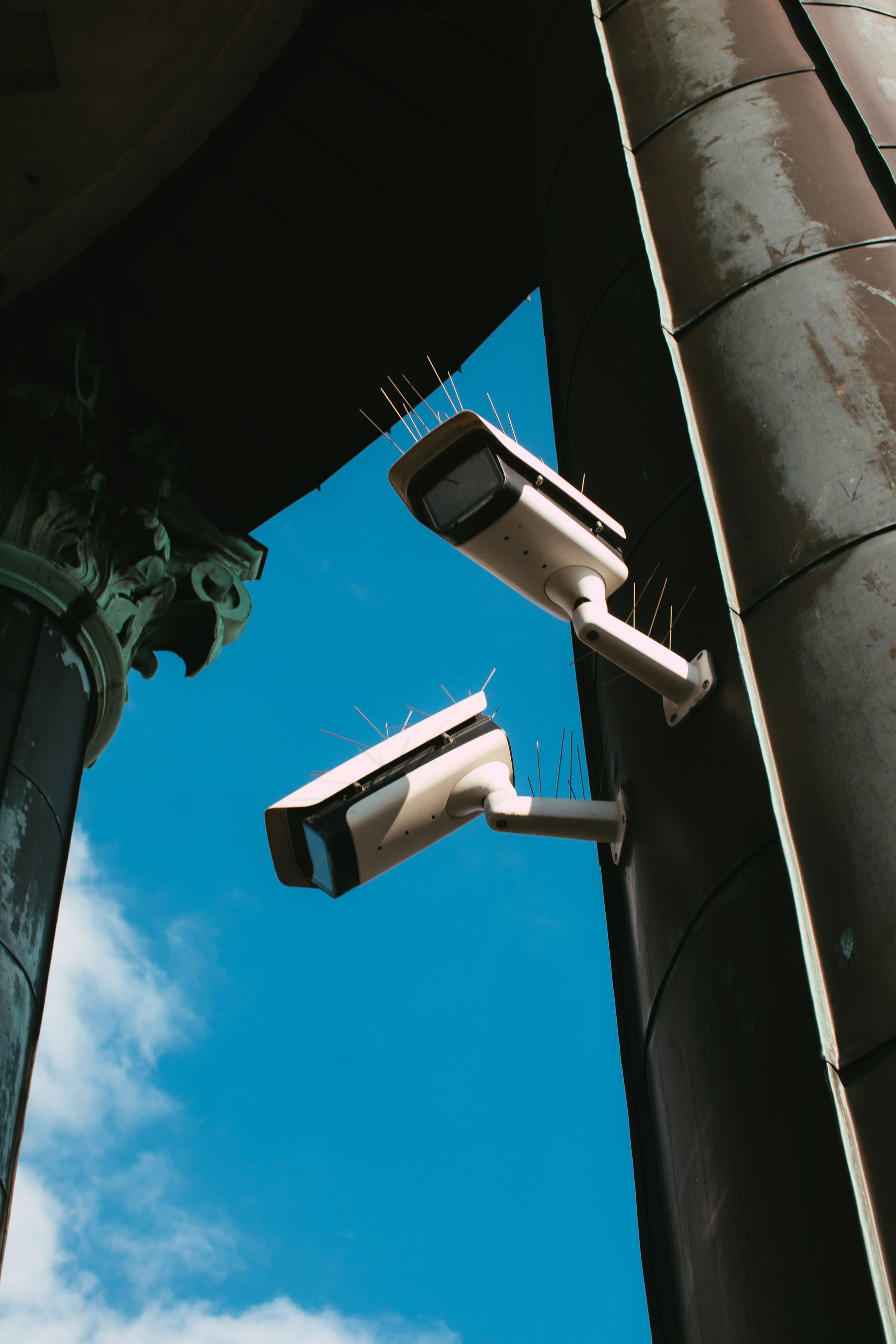
Connectivity is the backbone of this transition. Industrial Security Solutions must now encompass both physical and cyber domains. A breach in a data network is as dangerous as a physical intrusion at a substation. Our integrated approach ensures that every bit of data moving across an industrial network is encrypted, monitored, and analyzed in real-time.
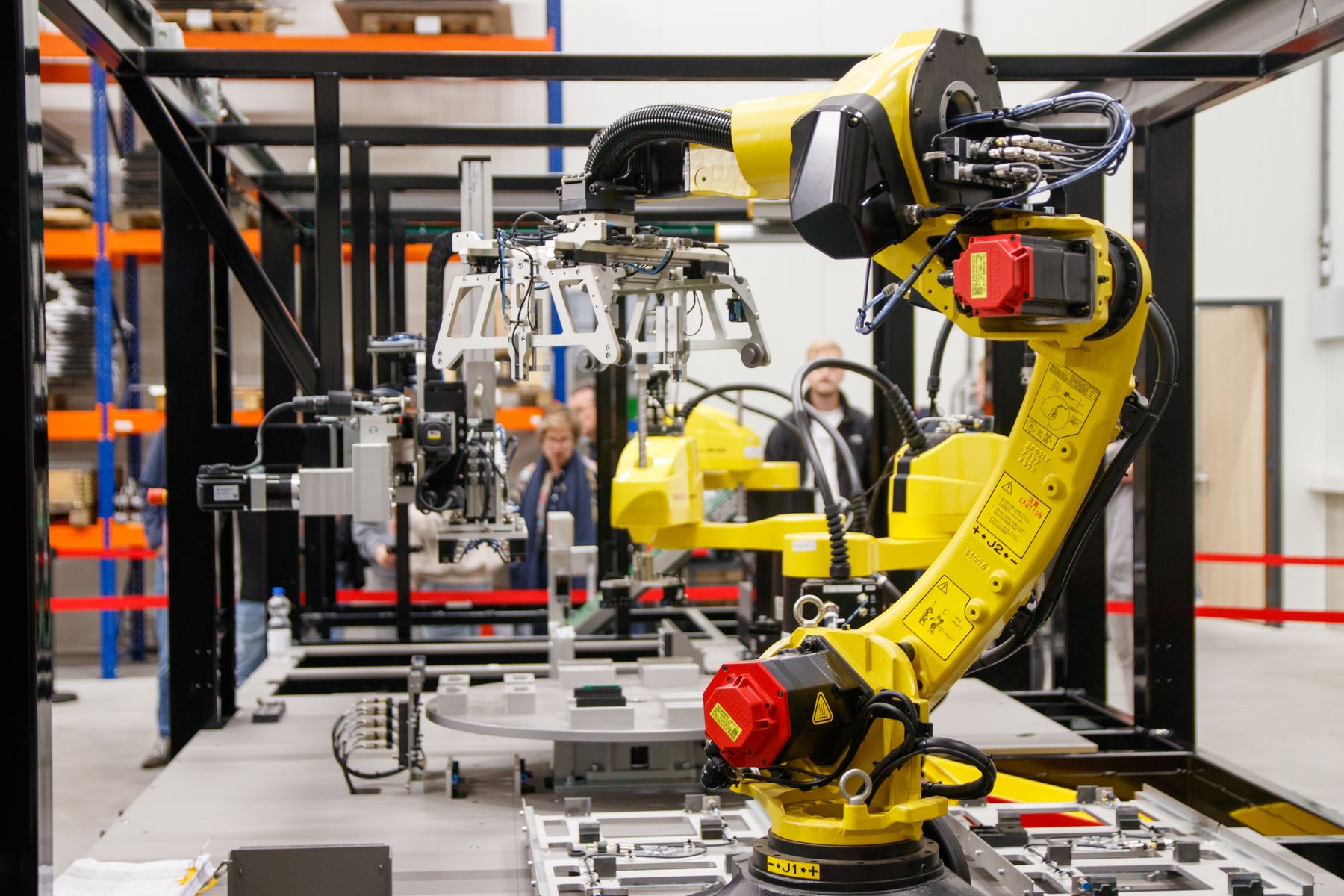
Figure 1.2: High-density automation sensors deployed in a thermal power plant environment.
Sustainability Through Optimization
Efficiency is the quietest form of sustainability. By optimizing load distribution via AI-driven algorithms, industrial facilities can minimize waste and reduce their carbon footprint without sacrificing output. This alignment of economic performance and environmental stewardship defines the new "Green Industrial" paradigm that TAQQAT champions.
Looking ahead, we anticipate that 5G-enabled private networks will become standard for large-scale energy projects. This will allow for thousands of concurrent device connections with near-zero latency, opening the door for autonomous robotics in site maintenance and drone-based security patrols that operate independently of human intervention.